The Veggie Patch Chronicles: Unveiling Top Vegetable Garden Plants
we explore the wonderful world of gardening, offering valuable tips, knowledge, and insights to help you become a skilled gardener. Whether you're just starting out or already have some experience, you'll find plenty of helpful information here to enhance your gardening skills and confidence.
Embarking on the journey of vegetable gardening is an exciting endeavor filled with the promise of fresh, homegrown produce. As you prepare to cultivate your veggie patch, selecting the right plants is paramount to success. In this comprehensive guide, we'll delve into the world of vegetable garden plants, uncovering top picks that promise bountiful harvests and culinary delights. Let's unveil the secrets to creating a thriving vegetable garden brimming with flavor and nutrition.
Introduction to Vegetable Garden Plants
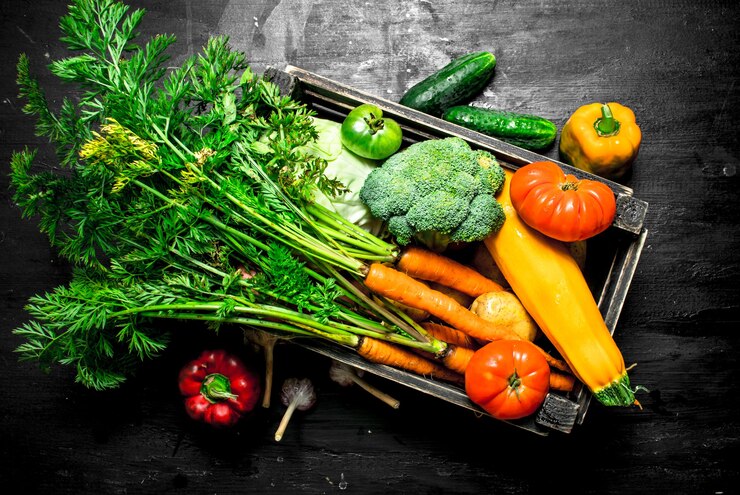
Vegetable garden plants form the heart and soul of any home garden, offering a diverse array of flavors, textures, and nutrients. From leafy greens and root vegetables to succulent fruits and aromatic herbs, the possibilities are endless when it comes to choosing plants for your veggie patch.
1. Leafy Greens
Leafy greens are staples in any vegetable garden, providing an abundant source of vitamins, minerals, and antioxidants. Varieties such as spinach, kale, lettuce, and Swiss chard thrive in cool weather and are perfect for salads, stir-fries, and smoothies.
2. Root Vegetables
Root vegetables are hearty additions to the garden, offering earthy flavors and versatile culinary options. Carrots, beets, radishes, and potatoes are excellent choices for gardeners seeking to cultivate nutritious, underground treasures.
3. Culinary Herbs
Culinary herbs add depth and complexity to dishes, elevating the flavors of your culinary creations. Basil, parsley, cilantro, and dill are just a few examples of herbs that flourish in the garden, providing aromatic foliage and fresh accents for your favorite recipes.
4. Fruiting Vegetables
Fruiting vegetables, such as tomatoes, peppers, cucumbers, and eggplants, bring a burst of color and flavor to the garden. With proper care and attention, these plants yield abundant harvests of juicy, flavorful fruits that are perfect for salsas, sauces, and snacks.
5. Climbing Vines
Climbing vines add vertical interest to the garden while maximizing space and productivity. Plants like beans, peas, squash, and cucumbers thrive when trained to climb trellises or supports, offering a convenient and space-saving solution for small gardens.
Tips for Success with Vegetable Garden Plants
Now that we've explored some top picks for vegetable garden plants, let's delve into some expert tips to help you succeed in your gardening endeavors.
1. Start with Quality Seeds or Seedlings
Begin your vegetable garden journey with high-quality seeds or seedlings from reputable sources. Look for varieties suited to your climate and growing conditions, and pay attention to factors such as disease resistance and yield potential.
2. Provide Adequate Sunlight and Water
Most vegetable garden plants require full sun and consistent moisture to thrive. Choose a sunny location for your garden and ensure that plants receive at least 6-8 hours of sunlight per day. Water plants deeply and regularly, keeping the soil evenly moist but not waterlogged.
3. Practice Proper Plant Spacing
Give your vegetable garden plants room to grow by spacing them according to their specific requirements. Crowded plants are more susceptible to disease and pest infestations, so follow spacing recommendations provided on seed packets or plant labels.
4. Mulch and Fertilize Regularly
Mulching helps conserve soil moisture, suppress weeds, and improve soil fertility in the garden. Apply a layer of organic mulch, such as straw, leaves, or compost, around your plants to help retain moisture and add nutrients to the soil. Additionally, fertilize plants regularly with a balanced fertilizer to promote healthy growth and abundant yields.
5. Monitor for Pests and Diseases
Keep a close eye on your vegetable garden plants for signs of pests or diseases, such as yellowing leaves, chewed foliage, or unusual spots. Take proactive measures to address issues as soon as they arise, using natural pest control methods or organic pesticides as needed to protect your plants and preserve your harvest.
Conclusion: Cultivating a Vibrant Veggie Patch
In conclusion, vegetable garden plants are the building blocks of a vibrant and productive garden, offering a bounty of flavors, nutrients, and culinary possibilities. By selecting the right plants for your garden and following expert tips for success, you can create a thriving veggie patch that brings joy and nourishment to your table year-round. So roll up your sleeves, dig in the dirt, and get ready to embark on your own Veggie Patch Chronicles.
FAQs (Frequently Asked Questions) About Vegetable Garden Plants
How do I know which vegetables to plant in my garden?
- When selecting vegetables for your garden, consider factors such as your local climate, soil type, and available space. Choose varieties that are well-suited to your growing conditions and preferences, and don't be afraid to experiment with new and unusual crops to diversify your harvest.
What are some common pests and diseases that affect vegetable garden plants?
- Common pests that may afflict vegetable garden plants include aphids, caterpillars, slugs, and fungal diseases such as powdery mildew and blight. Keep an eye out for signs of pest damage or disease, and take prompt action to address any issues using organic pest control methods or appropriate treatments.
How can I extend the growing season for my vegetable garden plants?
- To extend the growing season for your vegetable garden plants, consider using techniques such as planting cold-hardy crops, using row covers or cloches to protect plants from frost, and planting heat-loving crops in raised beds or containers with good drainage and exposure to sunlight.
What are some easy-to-grow vegetables for beginners?
- For novice gardeners, it's best to start with easy-to-grow vegetables that are relatively low-maintenance and forgiving of beginner mistakes. Some beginner-friendly options include tomatoes, lettuce, radishes, zucchini, and green beans, which are known for their resilience and productivity in the garden.